


Milton Hedging Services
Choose our expert hedging services for precision, reliability, and lush, healthy hedges that enhance your property's beauty and privacy year-round.
Get a Free QuoteWhen to Schedule Hedging in Milton, MA – Seasonal Guide
In Milton, MA, the best times to schedule hedging are typically late spring and early fall, when local weather conditions are most favorable for plant recovery and growth. Milton’s climate, characterized by cold winters and humid summers, means that hedging should be avoided during periods of frost or extreme heat. For neighborhoods near the Blue Hills Reservation or along Canton Avenue, microclimates can influence the timing—areas with more shade or wind exposure may require slightly different schedules.
It’s important to consider local environmental factors such as the last spring frost date, which usually falls in late April, and the risk of summer droughts that can stress hedged plants. Soil types in Milton, ranging from sandy loam in the Brush Hill area to denser soils near Turner’s Pond, also affect how and when hedging should be performed. For up-to-date municipal guidelines or restrictions, homeowners should consult the Town of Milton’s official website.
Local Factors to Consider for Hedging in Milton
- Proximity to wooded areas like Blue Hills, which can increase shade and humidity
- Tree density and the presence of mature plantings in neighborhoods such as East Milton
- Terrain variations, especially on sloped properties near Milton Hill
- Typical precipitation patterns and risk of summer drought
- Local soil composition, from sandy to clay-heavy soils
- Municipal restrictions or seasonal guidelines for landscaping work
Benefits of Hedging in Milton
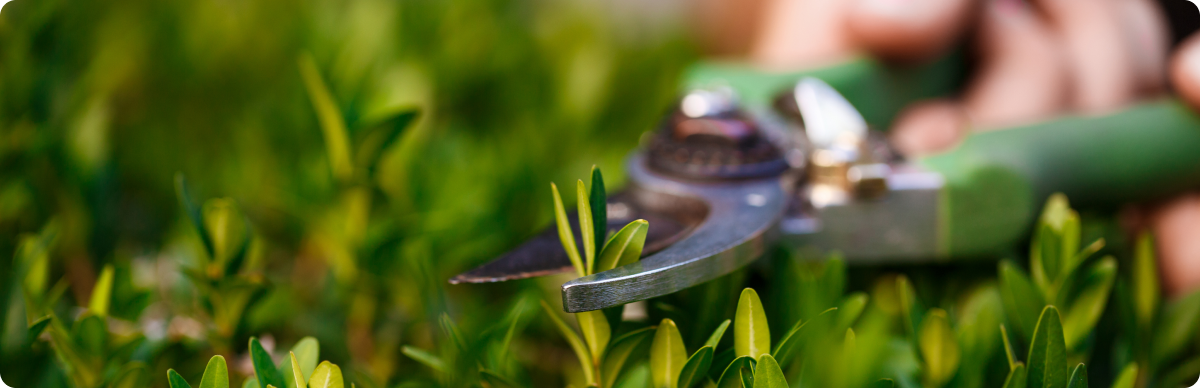
Enhanced Curb Appeal
Increased Property Value
Professional Hedge Shaping
Improved Privacy and Security
Expert Local Knowledge
Reliable Year-Round Service
Milton Hedging Types

Boxwood Hedges
-
Privet Hedges
-
Yew Hedges
-
Laurel Hedges
-
Beech Hedges
-
Hornbeam Hedges
-
Holly Hedges
Our Hedging Process
Site Evaluation
Planning and Marking
Trimming and Shaping
Cleanup and Inspection
Why Choose Milton Landscape Services
-
Milton Homeowners Trust Us
-
Expert Lawn Maintenance
-
Reliable Seasonal Cleanups
-
Competitive Pricing
-
Professional Team
-
Satisfaction Guarantee
-
Personalized Service
Contact Milton's Department of Public Works for Hedge Trimming Debris & Brush Disposal
Milton maintains a detailed seasonal yard waste collection program running from early April through late November, establishing specific procedures for residents managing hedge trimming debris and organic landscape materials throughout this historic Blue Hills community. All pruning materials must be prepared in bundles measuring no more than 4 feet in length with weight limitations of 50 pounds per bundle, or contained within certified biodegradable paper bags while absolutely prohibiting plastic containers under Massachusetts environmental legislation. The Milton Transfer Station coordinates disposal services through scheduled collection periods and facility access for permitted residents, requiring advance planning for major hedge renovation projects with cost structures determined by material volume and processing requirements.
Milton Department of Public Works
575 Hillside Street, Milton, MA 02186
Phone: (617) 898-4900
Official Website: Milton Department of Public Works
Detailed material classification protocols direct organic hedge clippings into municipal yard waste streams while segregating inorganic elements including wire supports, plastic ties, and irrigation hardware requiring alternative disposal methods. Municipal ordinances strictly forbid depositing trimmed materials in public roadways, storm drains, or drainage infrastructure to prevent MS4 permit violations that could result in substantial environmental penalties and compromise water quality protection for the Neponset River watershed, Pine Tree Brook, and connected tributary systems throughout this environmentally sensitive Blue Hills community.
Understanding Hedge Selection for Milton's Blue Hills Glacial Till & Forest Soils & Climate Zone 6b
Milton's distinctive suburban environment within USDA Hardiness Zone 6b presents exceptional growing conditions requiring strategic hedge species selection based on local soil characteristics documented through comprehensive USDA Web Soil Survey analysis. Milton's predominant soil compositions include Canton fine sandy loam, Paxton fine sandy loam, and Hollis-Rock outcrop complex, representing well-drained to excessively drained glacial till deposits with naturally acidic pH levels typically ranging from 4.8 to 6.5 and substantial organic matter content reflecting the community's extensive forest cover and Blue Hills Reservation interface.
Environmental factors significantly influencing hedge performance include minimal winter salt exposure due to selective municipal treatments along Route 138, Blue Hills Parkway, and Randolph Avenue, variable wind exposure across Milton's dramatically varied topography from Blue Hills summits to Neponset River lowlands, minimal heat island effects due to low development density and extensive forest canopy, and substantial deer populations throughout residential neighborhoods and conservation areas requiring resistant species selection or protective installation measures during establishment phases.
Premium Species for Milton's Blue Hills Environment:
• Blue Hills Native Selections: Viburnum acerifolium (maple-leaved viburnum), Ilex verticillata 'Berry Poppins' (winterberry holly), Aronia melanocarpa 'Low Scape Mound' (black chokeberry), Clethra alnifolia 'Ruby Spice' (summersweet)
• Rocky Outcrop Specialists: Juniperus communis (common juniper), Comptonia peregrina (sweet fern), Vaccinium angustifolium (lowbush blueberry), Gaylussacia baccata (black huckleberry)
• Deer-Resistant Excellence: Pieris japonica 'Mountain Fire' (Japanese andromeda), Kalmia latifolia 'Carousel' (mountain laurel), Mahonia aquifolium 'Compacta' (Oregon grape), Buxus microphylla 'Winter Gem' (Korean boxwood)
• Four-Season Forest Interest: Hamamelis virginiana (witch hazel), Cornus alternifolia (pagoda dogwood), Amelanchier canadensis 'Tradition' (serviceberry), Viburnum cassinoides (withe-rod viburnum)
University of Massachusetts Extension
240 Beaver Street, Waltham, MA 02452
Phone: (781) 891-0650
Official Website: University of Massachusetts Extension
Invasive species prevention remains paramount, with prohibited plants including Berberis thunbergii (Japanese barberry), Euonymus alatus (burning bush), Elaeagnus umbellata (autumn olive), and Rhamnus cathartica (common buckthorn). The Massachusetts Department of Agricultural Resources maintains current invasive species identification resources while promoting native alternatives that enhance local biodiversity and ecosystem resilience throughout Milton's Blue Hills forest landscape.
Milton Conservation Commission Requirements for Hedge Work Near Wetlands & Protected Areas
Milton's extensive conservation lands, including direct interface with the Blue Hills Reservation and numerous local conservation areas, necessitate thorough coordination with the Milton Conservation Commission under Massachusetts Wetlands Protection Act regulations for hedge projects within jurisdictional buffer zones. Properties located within 100 feet of wetlands or 200 feet of perennial streams require formal permitting through Notice of Intent filings or Request for Determination of Applicability submissions based on project complexity and potential environmental impacts on sensitive water resources including Pine Tree Brook, Brush Hill Brook, and the Neponset River corridor.
Milton Conservation Commission
525 Canton Avenue, Milton, MA 02186
Phone: (617) 898-4890
Official Website: Milton Conservation Commission
Buffer zone management requires specialized native species selection appropriate for areas surrounding Milton's conservation areas, wetlands, and the Blue Hills Reservation interface, emphasizing erosion prevention during installation phases and long-term habitat enhancement through ecologically beneficial plantings. Environmental protection measures must address critical wildlife habitat including migratory bird nesting areas requiring seasonal work restrictions from April through July, pollinator pathway preservation, and rare species habitat protection essential for maintaining Milton's ecological diversity and regional ecosystem connectivity with the broader Blue Hills ecosystem.
Massachusetts Natural Heritage & Endangered Species Program
1 Rabbit Hill Road, Westborough, MA 01581
Phone: (508) 389-6360
Official Website: Massachusetts Natural Heritage & Endangered Species Program
Property Lines, Rights-of-Way & Sightline Rules for Hedges in Milton
Milton's comprehensive zoning bylaws establish detailed hedge placement requirements, with residential districts requiring 6-12 foot minimum setbacks from side property boundaries and front yard setback requirements varying by neighborhood character and estate zoning classifications. Maximum height limitations typically restrict residential hedges to 6 feet in rear and side yards and 4 feet in front yards, while estate zones may permit heights reaching 8 feet with appropriate permitting and demonstrated safety compliance throughout installation and maintenance phases.
Milton Building Department
525 Canton Avenue, Milton, MA 02186
Phone: (617) 898-4880
Official Website: Milton Building Department
Traffic safety regulations require clear sight triangles measuring 25-35 feet from intersection corners and driveway entrances, particularly critical along Milton's winding roads including Blue Hills Parkway, Canton Avenue, and numerous scenic residential streets where visibility is essential for preventing vehicular accidents throughout the community's hilly terrain. Public safety compliance includes maintaining unobstructed access to fire hydrants, emergency vehicle pathways, sidewalk clearances, and utility infrastructure access points essential for municipal service delivery throughout Milton's varied topographic suburban development.
Safe Pruning Standards, Wildlife Protection & Seasonal Timing in Milton
Professional hedge maintenance throughout Milton requires strict adherence to ANSI A300 pruning standards, emphasizing scientifically-based cutting techniques that promote healthy plant responses while preventing damage from improper pruning practices in high-quality suburban forest landscape maintenance. Optimal timing schedules structural pruning during late winter dormancy periods for most species, while spring-flowering hedge varieties require post-bloom pruning to preserve next season's flower bud development and maintain aesthetic value throughout Milton's meticulously maintained residential neighborhoods and conservation interfaces.
Comprehensive safety protocols mandate personal protective equipment including impact-resistant eye protection, noise-reducing ear protection, and cut-resistant work gloves for all hedge maintenance operations in forested suburban environments with mature landscapes and wildlife activity. Electrical hazard prevention requires maintaining 10-foot minimum clearances from overhead power lines, with coordination through National Grid for vegetation management near electrical infrastructure serving Milton's residential areas.
National Weather Service Boston
25 Vandenberg Avenue, Norton, MA 02766
Phone: (508) 622-3250
Official Website: National Weather Service Boston
Integrated pest management strategies emphasize early detection and organic treatment approaches for common Milton hedge pests including scale insects, bagworms, and fungal diseases promoted by forested microclimate conditions and mature landscape environments. Wildlife protection protocols require seasonal timing restrictions during critical nesting periods from April through July, particularly important for native species that provide essential habitat for Milton's diverse bird populations and support regional ecosystem health through habitat corridor maintenance connecting to the Blue Hills Reservation.
Managing Hedge Waste Under Massachusetts Organic Waste Diversion Requirements
Massachusetts organic waste regulations codified in Massachusetts General Law Chapter 111, Section 150A establish complete prohibition of organic hedge materials in residential waste streams, requiring participation in Milton's municipal organic waste diversion programs designed to reduce landfill burden and advance sustainable waste management practices throughout this environmentally conscious suburban community. Residents must differentiate between compostable healthy hedge trimmings and materials requiring municipal disposal including diseased plant matter and invasive species needing specialized handling to prevent environmental contamination throughout Milton's pristine Blue Hills conservation areas.
Home composting guidelines specify minimum setback distances of 15 feet from property boundaries and 25 feet from water sources including private wells, surface waters, and wetland areas to prevent nutrient runoff and groundwater contamination in Milton's forested suburban landscape. Effective composting management requires balanced carbon-nitrogen ratios, adequate moisture control, and regular aeration through turning schedules to prevent anaerobic conditions and associated odor problems in Milton's residential communities with substantial property sizes.
Massachusetts Department of Environmental Protection
100 Cambridge Street, Boston, MA 02114
Phone: (617) 292-5500
Official Website: Massachusetts Department of Environmental Protection
Stormwater Protection During Hedge Work in Compliance with Milton's MS4 Program
Milton's Municipal Separate Storm Sewer System (MS4) permit mandates comprehensive stormwater protection during hedge installation and maintenance activities to safeguard local water bodies including the Neponset River, Houghtons Pond, Pine Tree Brook, and numerous tributary streams throughout the municipal watershed. Best management practices require immediate debris containment using protective coverings, prompt removal of organic materials from impervious surfaces, and prevention of sediment discharge into storm drainage infrastructure protecting water quality throughout Milton's environmentally sensitive Blue Hills watershed areas.
U.S. Environmental Protection Agency, Region 1
5 Post Office Square, Boston, MA 02109
Phone: (617) 918-1111
Official Website: U.S. Environmental Protection Agency, Region 1
Federal compliance with EPA NPDES requirements under Clean Water Act provisions ensures municipal stormwater management meets national water quality standards protecting sensitive forested watersheds. Strategic timing coordinates hedge work with seasonal weather patterns, avoiding high-risk periods during spring snowmelt and intense summer precipitation events that increase erosion potential throughout the Blue Hills community.
What Neighborhoods Do We Serve Throughout Milton, MA?
Milton Village/Historic Town Center: This traditional New England village center features colonial and Victorian architecture requiring architectural compatibility considerations, emphasizing species selection complementing Milton's historic character as a significant Revolutionary War era community. Well-maintained sidewalks and mature street trees create favorable growing conditions, while community events and pedestrian activity demand durable installations resistant to foot traffic throughout the civic core and surrounding historic residential streets.
Blue Hills Reservation Interface/Houghtons Pond Area: Properties directly bordering the Blue Hills Reservation experience significant deer pressure necessitating resistant species selection or protective measures during establishment phases. Enhanced wildlife protection measures address critical habitat preservation and migration corridors, while fire safety considerations in forested areas require defensible space maintenance and fire-resistant species selection supporting both residential safety and conservation objectives throughout this scenic natural interface.
Milton Hill/Observatory Hill Estates: These elevated residential areas feature steep topography creating unique drainage patterns and exposure conditions requiring specialized species selection for slope stability and weather resistance. Premium forested settings provide natural windbreaks and microclimatic protection, while conservation land proximity emphasizes native species supporting regional ecosystem health and wildlife corridor connectivity throughout these prestigious residential enclaves.
East Milton/Neponset River Corridor: Properties near the Neponset River and associated wetlands require Conservation Commission coordination for buffer zone work, emphasizing native species supporting riparian habitat and water quality protection. Variable soil moisture conditions from river proximity demand moisture-tolerant species selection, while enhanced wildlife protection measures address waterfowl habitat and scenic preservation throughout this environmentally sensitive corridor.
Brush Hill/Blue Hills Parkway District: Residential areas along the scenic Blue Hills Parkway experience moderate traffic exposure while benefiting from parkway landscaping and forest proximity. Community character preservation emphasizes species selection maintaining the area's distinguished residential character, while proximity to conservation areas provides opportunities for wildlife corridor enhancement through native plantings supporting regional ecosystem connectivity.
West Milton/Randolph Border: Established neighborhoods feature diverse architectural styles requiring flexible hedge design approaches accommodating varied housing types and community preferences. Larger suburban lots accommodate extensive privacy hedging for property definition, while mature tree canopy creates partial shade conditions requiring shade-tolerant hedge species selection throughout these family-oriented residential areas.
Pine Tree Brook Conservation Corridor: Properties along Pine Tree Brook and associated conservation lands require Conservation Commission oversight for buffer zone work, with emphasis on native species supporting stream habitat and water quality protection. Enhanced wildlife protection measures address critical habitat preservation, while species selection emphasizes native plantings supporting regional ecosystem connectivity throughout this important conservation corridor connecting multiple protected areas.
Milton Municipal Bylaws for Hedge Trimmer Operation, Noise & Commercial Service Standards
Milton's noise control ordinance restricts powered landscape equipment operation to weekdays between 7:30 AM and 5:30 PM, with Saturday operations authorized from 8:30 AM through 4:30 PM and complete prohibition on Sundays and federal holidays to preserve residential tranquility throughout this distinguished Blue Hills suburban community. Seasonal modifications may impose additional quiet periods during summer months accommodating outdoor recreation activities, conservation area programming, and community events, particularly in residential areas where noise impacts affect property values and residential satisfaction throughout Milton's prestigious forested neighborhoods.
Commercial landscape service providers must obtain proper business licensing through Milton's Town Clerk office while maintaining comprehensive liability insurance with minimum $2.5 million coverage requirements and complete workers' compensation protection for all employees engaged in hedge maintenance activities. Professional qualification standards include demonstrated competency in forested suburban landscape management practices, current Massachusetts pesticide applicator certification where chemical treatments are required, and ongoing professional development in Blue Hills conservation and environmental protection practices essential for working within Milton's extensive regulated conservation areas.
Milton Planning Board
525 Canton Avenue, Milton, MA 02186
Phone: (617) 898-4890
Official Website: Milton Planning Board
Community notification protocols require advance notice for substantial hedge projects potentially affecting neighboring properties, including comprehensive debris management strategies, detailed equipment noise schedules, and temporary access arrangements that may impact adjacent residents in Milton's closely connected forested residential communities. Equipment operation standards mandate proper maintenance of all power tools to minimize noise generation and prevent fuel spills that could contaminate local soils and groundwater resources essential to community environmental health and Blue Hills ecosystem integrity. Enforcement procedures include violation reporting through Milton's Building Department or Board of Health, with correction periods typically allowing 24 hours for noise violations and 14 days for licensing compliance issues, with persistent violations potentially resulting in business license suspension and legal action to protect community standards and environmental quality throughout this prestigious Blue Hills suburban municipality.